
In the dynamic realm of entrepreneurship, safeguarding your small business against unforeseen risks is paramount. Liability insurance serves as a financial shield, protecting you from the potentially devastating consequences of property damage, bodily injury, and legal claims. Embark on this journey to explore the intricacies of small business liability insurance quotes, ensuring your venture remains resilient and protected.
Liability insurance empowers small businesses to navigate the challenges of modern commerce with confidence. General liability insurance provides a safety net against claims of bodily injury or property damage, while professional liability insurance safeguards against errors and omissions in the provision of services.
Errors and omissions insurance, tailored for specific industries, offers an additional layer of protection against financial losses resulting from mistakes or oversights.
Business Liability Risks: Small Business Liability Insurance Quote
Small businesses are subject to various liabilities that can lead to financial losses, legal disputes, and reputational damage. Understanding these risks and obtaining appropriate insurance coverage is crucial for safeguarding the business and its owners.
The potential liabilities faced by small businesses fall into three primary categories: property damage, bodily injury, and legal claims.
Property Damage
Property damage refers to damage caused to property owned by others, including buildings, equipment, and inventory. This can occur due to various factors, such as fires, floods, storms, or accidents caused by employees or customers.
The financial consequences of property damage can be significant, especially for small businesses with limited resources. The costs associated with repairs, replacements, and business interruptions can severely impact operations and profitability.
Bodily Injury
Bodily injury refers to physical harm caused to individuals, such as customers, employees, or members of the public, as a result of business operations or premises.
Bodily injury claims can be particularly costly and can lead to lawsuits, settlements, and legal expenses. The severity of the injury, the extent of medical treatment required, and the potential for long-term disabilities can have a significant financial impact on the business.
Legal Claims
Legal claims cover a wide range of disputes that can arise in the course of business, such as breach of contract, negligence, defamation, and employment-related issues.
Defending against legal claims can be time-consuming and expensive, even if the business is ultimately successful in the lawsuit. The reputational damage associated with legal disputes can also harm the business’s customer base and future prospects.
Coverage Options for Small Businesses
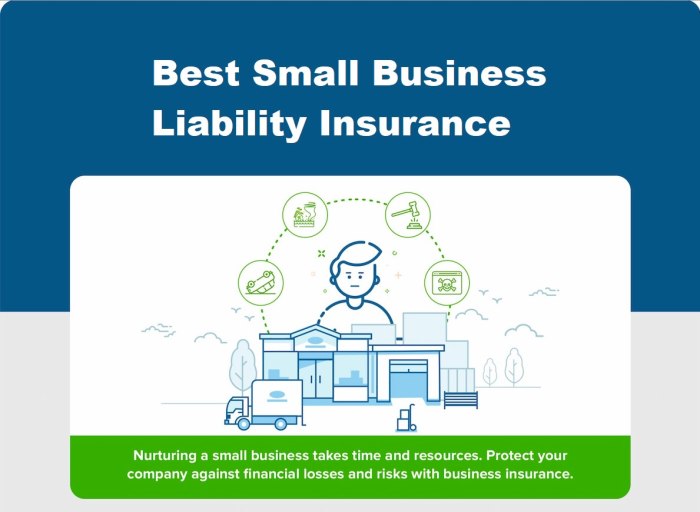
Liability insurance provides financial protection for small businesses against claims of legal liability. Different types of liability insurance offer varying levels of coverage to suit specific business needs.
General Liability Insurance
- Covers bodily injury, property damage, and personal injury claims caused by the business or its employees during business operations.
- Protects against common risks such as customer slips and falls, product defects, and advertising injuries.
- Provides a broad range of coverage, making it essential for most small businesses.
Professional Liability Insurance
- Protects professionals and service providers against claims of negligence, errors, or omissions in the performance of their professional duties.
- Covers a wide range of professionals, including accountants, lawyers, engineers, and consultants.
- Provides peace of mind by safeguarding against financial losses resulting from professional mistakes or oversights.
Errors and Omissions Insurance
- Similar to professional liability insurance, but specifically designed for businesses that provide advice or guidance.
- Covers claims of financial loss or damages resulting from errors or omissions in the advice or services provided.
- Protects businesses against financial consequences arising from inaccurate information or recommendations.
Factors Affecting Liability Insurance Quotes
When determining liability insurance quotes for small businesses, insurance companies carefully consider several key factors that can significantly impact the cost and coverage of the policies.
These factors include:
Industry
The type of industry in which a small business operates plays a crucial role in determining its liability risks. Businesses in high-risk industries, such as construction, manufacturing, or healthcare, typically face higher liability insurance premiums due to the increased potential for accidents, injuries, or property damage.
Revenue
The annual revenue generated by a small business is another important factor that insurance companies consider when determining liability insurance quotes. Higher revenue often translates to increased exposure to liability risks, as businesses with larger operations typically have more employees, customers, and assets that could potentially be affected by an incident.
Number of Employees
The number of employees a small business has can also impact its liability insurance quotes. Businesses with a larger workforce have a higher probability of experiencing employee-related incidents, such as workplace accidents, discrimination claims, or harassment allegations. These factors can increase the potential for liability claims and, consequently, the cost of insurance premiums.
Claims History, Small business liability insurance quote
Insurance companies review a small business’s claims history to assess its past liability risks. Businesses with a history of frequent or severe claims may be considered higher risk and face higher insurance premiums. Conversely, businesses with a clean claims history may qualify for lower premiums.
Getting a Liability Insurance Quote

Obtaining a liability insurance quote is a crucial step for small businesses to protect themselves financially against potential legal claims and liabilities. The process involves providing information about the business and its operations, and there are several ways to obtain a quote.
Online Quotes:Many insurance companies offer online quote systems that allow businesses to enter their information and receive an instant quote. This is a convenient and efficient way to compare quotes from different providers.
Through an Agent:Insurance agents can help businesses navigate the insurance market and find the best coverage for their needs. They can provide personalized advice and assist with the application process.
Over the Phone:Businesses can also contact insurance companies directly over the phone to request a quote. This option allows for direct interaction with a representative who can answer questions and provide guidance.
Tips for Comparing Quotes
When comparing liability insurance quotes, it’s essential to consider the following factors:
- Coverage Limits:Ensure that the coverage limits are adequate to protect the business from potential claims.
- Deductibles:The deductible is the amount the business will pay out-of-pocket before the insurance coverage kicks in.
- Premiums:Compare the premium costs from different providers to find the most affordable option.
- Company Reputation:Research the reputation of the insurance company to ensure they are financially stable and have a good track record of customer service.
By carefully comparing quotes and considering the factors mentioned above, small businesses can make informed decisions and choose the best liability insurance coverage for their specific needs.
Additional Considerations for Small Businesses
Small businesses often face a range of risks beyond liability. Additional insurance considerations can provide comprehensive protection and mitigate potential losses.Workers’ compensation insurance protects businesses from financial liability in case an employee suffers a work-related injury or illness. It covers medical expenses, lost wages, and disability benefits.Property
insurance protects a business’s physical assets, such as buildings, equipment, and inventory, from damage or loss due to events like fire, theft, or natural disasters.Business interruption insurance provides coverage for lost income and expenses incurred when a business is forced to suspend operations due to an insured event, such as a natural disaster or a fire.
Final Wrap-Up
Securing a liability insurance quote for your small business is a crucial step towards comprehensive risk management. By understanding the factors that influence insurance quotes, such as industry, revenue, and claims history, you can make informed decisions about the coverage that best suits your needs.
With the right liability insurance in place, you can focus on growing your business, knowing that you have a financial safety net to protect you from unforeseen events.
Top FAQs
What factors influence liability insurance quotes?
Insurance companies consider factors such as industry, revenue, number of employees, and claims history when determining liability insurance quotes.
How do I get a liability insurance quote?
You can obtain a liability insurance quote online, through an insurance agent, or by contacting insurance companies directly. Be prepared to provide information about your business, including its industry, revenue, and claims history.
What types of liability insurance are available for small businesses?
Common types of liability insurance for small businesses include general liability insurance, professional liability insurance, and errors and omissions insurance.