

In the realm of personal finance, finding the best savings account to grow money is paramount. Whether you’re a seasoned investor or just starting your financial journey, choosing the right savings account can make a significant impact on your financial future.
This comprehensive guide will delve into the intricate world of savings accounts, empowering you with the knowledge and strategies to maximize your savings growth.
As we navigate the complexities of high-yield savings accounts, minimum balance requirements, and compounding interest, you’ll gain a deep understanding of how to harness the power of your savings to achieve your financial goals.
Compare high-yield savings accounts
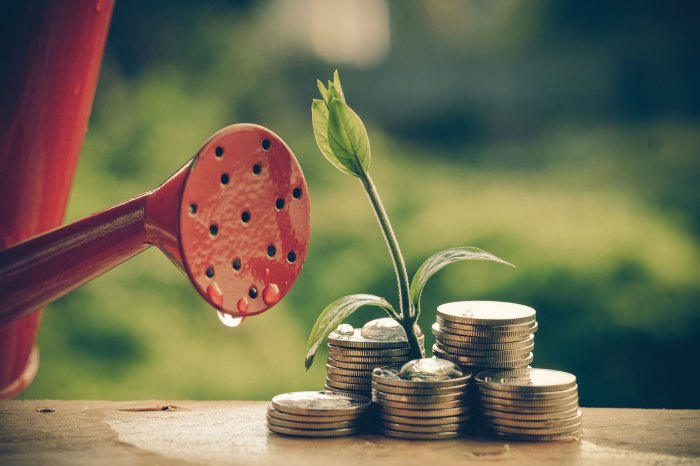
High-yield savings accounts offer higher interest rates than traditional savings accounts, making them an attractive option for savers looking to grow their money. However, it’s important to compare different accounts to find the best one for your needs.
Here’s a table comparing the interest rates, fees, and minimum balance requirements of several high-yield savings accounts:
| Account | Interest Rate | Fees | Minimum Balance |
|---|---|---|---|
| Ally Online Savings Account | 2.20% APY | None | $0 |
| Capital One 360 Performance Savings Account | 2.00% APY | None | $0 |
| Marcus by Goldman Sachs High Yield Online Savings Account | 2.15% APY | None | $0 |
| Discover Bank Online Savings Account | 2.00% APY | None | $0 |
| American Express High Yield Savings Account | 2.10% APY | None | $0 |
As you can see, there are several high-yield savings accounts with competitive interest rates. When choosing an account, it’s important to consider your individual needs and preferences.
Advantages of high-yield savings accounts
- Higher interest rates:High-yield savings accounts offer higher interest rates than traditional savings accounts, which can help you grow your money faster.
- No fees:Many high-yield savings accounts have no monthly maintenance fees or minimum balance requirements, which can save you money.
- Easy access to your money:You can typically access your money in a high-yield savings account at any time without penalty.
Disadvantages of high-yield savings accounts
- Lower interest rates than CDs:High-yield savings accounts typically offer lower interest rates than certificates of deposit (CDs), which are a type of savings account that offers a fixed interest rate for a specific period of time.
- May not be FDIC-insured:Some high-yield savings accounts are not FDIC-insured, which means that your money is not protected by the government in the event of a bank failure.
- May have restrictions on withdrawals:Some high-yield savings accounts may have restrictions on how often you can withdraw money, which can be inconvenient.
Analyze different savings account features
When selecting a savings account, it’s crucial to evaluate various features to ensure it aligns with your financial goals. Consider the following key aspects:
Interest rate
Interest rate is the percentage earned on your savings balance. Higher interest rates result in more significant earnings over time. Compare rates offered by different institutions to find the most competitive option.
Minimum balance requirements
Some savings accounts have minimum balance requirements that must be maintained to avoid fees or earn the advertised interest rate. Ensure you can consistently meet these requirements to maximize the benefits of the account.
Fees
Savings accounts may charge fees for various transactions, such as withdrawals, transfers, or inactivity. Understand the fee structure to avoid unexpected charges that can erode your savings.
Accessibility
Consider the accessibility of the savings account. Some accounts offer easy online and mobile access, allowing for convenient management of your funds. Others may have limited access or require visiting a physical branch. Choose an account that meets your preferred banking style.
Discuss the importance of compounding interest
Compound interest is a powerful force that can help you grow your savings over time. It’s the interest you earn on your initial deposit, plus the interest you earn on the interest that has already been added to your account.
The more often your interest is compounded, the faster your savings will grow. For example, if you have $1,000 in a savings account that earns 2% interest compounded annually, you will have $1,020 at the end of the year. However, if your interest is compounded monthly, you will have $1,021.90 at the end of the year.
, Best savings account to grow money
The difference may seem small, but it can add up over time. For example, if you invest $1,000 in a savings account that earns 2% interest compounded annually, you will have $1,219.00 at the end of 10 years. However, if your interest is compounded monthly, you will have $1,221.40 at the end of 10 years.
“The magic of compounding is the snowball effect. The more time your money has to grow, the faster it will grow.”
Identify strategies for maximizing savings account growth
Maximizing the growth of your savings account requires a proactive approach. By implementing smart strategies, you can accelerate the accumulation of your funds and achieve your financial goals faster.
Regularly Depositing Funds
Consistency is key when it comes to savings growth. Establish a regular schedule for depositing funds into your savings account, even if it’s just a small amount. This disciplined approach ensures a steady flow of funds into your account, allowing compound interest to work its magic.
Taking Advantage of Interest Rate Promotions
Many financial institutions offer promotional interest rates on savings accounts to attract new customers. These rates are typically higher than the standard rates and can significantly boost your savings growth. Take advantage of these promotions by opening a new savings account or transferring existing funds to a higher-yielding account.
Avoiding Unnecessary Withdrawals
Withdrawals from your savings account can hinder its growth potential. Avoid dipping into your savings for non-essential expenses. Instead, consider using a checking account or credit card for daily transactions and reserve your savings account for long-term financial goals.
Explore alternative savings options

While high-yield savings accounts are a great way to grow your money, there are other savings options that may offer even higher growth potential. These include:
Certificates of Deposit (CDs)
CDs are time deposits that offer a fixed interest rate for a set period. The longer the term of the CD, the higher the interest rate you’ll earn. However, you’ll have to pay a penalty if you withdraw your money before the CD matures.
Money Market Accounts
Money market accounts are similar to savings accounts, but they offer higher interest rates. However, they also have higher minimum balance requirements and may come with fees.
Short-Term Bonds
Short-term bonds are debt securities that mature in less than five years. They offer higher interest rates than CDs or money market accounts, but they also come with more risk.
Conclusion: Best Savings Account To Grow Money

Remember, the journey to financial growth is a marathon, not a sprint. By implementing the strategies Artikeld in this guide, you’ll lay a solid foundation for your financial future. Whether you’re saving for a down payment on a home, a comfortable retirement, or simply building an emergency fund, the best savings account can help you achieve your dreams.
Question Bank
What is the best savings account to grow money?
The best savings account for you depends on your individual needs and financial goals. Consider factors such as interest rates, fees, minimum balance requirements, and accessibility.
How does compounding interest work?
Compounding interest is the interest earned on both the principal amount and the accumulated interest. Over time, this can significantly increase your savings growth.
What are some strategies for maximizing savings account growth?
Maximize your growth by regularly depositing funds, taking advantage of interest rate promotions, and avoiding unnecessary withdrawals.