
Top 10 Tips for Comprehensive Car and House Insurance Coverage

10 tips to car and house insurance – In today’s uncertain world, it’s essential to have adequate insurance coverage for both your car and your house. Not only can it provide financial protection in the event of an accident or disaster, but it can also give you peace of mind knowing that you’re covered in case of the unexpected.
There are a number of factors that can influence your insurance premiums, including your driving history, location, and the value of your property. By understanding these factors, you can make informed decisions about your coverage and get the best possible rates.
Factors that Influence Insurance Premiums
- Driving history:Your driving history is one of the most important factors that insurance companies consider when setting your rates. If you have a clean driving record, you’re likely to get a lower premium than someone with a history of accidents or traffic violations.
- Location:Where you live can also affect your insurance rates. If you live in an area with a high crime rate or a lot of traffic, you’re likely to pay more for insurance than someone who lives in a safer area.
- Property value:The value of your property is another important factor that insurance companies consider. If you have a valuable home or car, you’re likely to pay more for insurance than someone with a less valuable property.
Strategies to Reduce Car and House Insurance Costs
Navigating the world of insurance can be daunting, but with a few clever strategies, you can significantly reduce your car and house insurance costs. This guide will provide valuable tips to help you save money without compromising coverage.
Compare Quotes from Different Insurance Companies
Don’t settle for the first insurance quote you receive. Take the time to compare quotes from multiple insurance companies to find the best deal. Use online comparison tools or contact insurance agents directly to get quotes based on your specific needs and coverage requirements.
Negotiate Lower Premiums
Don’t hesitate to negotiate with insurance companies to lower your premiums. Highlight safety features in your car, such as anti-lock brakes or airbags, which can reduce the likelihood of accidents. Ask about loyalty discounts for long-term customers or consider bundling your car and house insurance policies with the same provider to save money.
Choose the Right Deductible
The deductible is the amount you pay out of pocket before your insurance coverage kicks in. A higher deductible typically results in lower premiums. However, it’s important to choose a deductible that you can comfortably afford to pay in the event of an accident or damage.
Understanding Coverage Options for Car and House Insurance: 10 Tips To Car And House Insurance
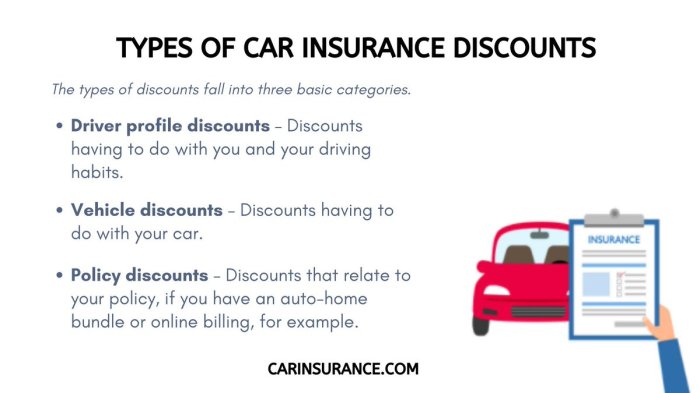
Understanding the various coverage options available for your car and house insurance is crucial for making informed decisions that safeguard your assets and provide peace of mind.
Coverage Options for Cars
Car insurance policies typically offer three primary types of coverage:
- Liability Insurance:Covers damages and injuries caused to others due to an accident you are at fault for.
- Collision Insurance:Reimburses you for damages to your own vehicle in an accident, regardless of fault.
- Comprehensive Insurance:Provides coverage for non-collision-related damages, such as theft, vandalism, and natural disasters.
Coverage Options for Houses
Home insurance policies offer a range of coverage options to protect your property and belongings:
- Homeowners Insurance:Covers the structure of your home, personal belongings, and additional living expenses in case of damage or loss.
- Renters Insurance:Protects renters’ personal belongings and provides liability coverage in case of accidents within the rental property.
- Flood Insurance:Provides coverage for damage caused by flooding, which is typically excluded from homeowners insurance.
Riders and Endorsements
Riders and endorsements are additional coverage options that can enhance your insurance policy. They allow you to tailor your coverage to meet specific needs, such as:
- Riders for additional coverage, such as personal injury protection or rental car reimbursement.
- Endorsements to modify existing coverage, such as increasing the deductible or adding a valuable items floater.
Claim Handling and Dispute Resolution for Car and House Insurance

Filing a claim for car or house damage can be a stressful process, but understanding the steps involved can make it easier. Here’s a guide to help you navigate the claim process and resolve any disputes that may arise.
When filing a claim, it’s important to document the damage thoroughly. Take photos or videos of the damage, and gather any relevant documentation, such as police reports or medical records. Contact your insurance company promptly to report the claim and provide them with the necessary documentation.
Submitting a Claim
- Contact your insurance company promptly to report the claim.
- Provide a detailed description of the incident and the damage.
- Submit all relevant documentation, such as photos, videos, and police reports.
- Cooperate with the insurance adjuster during the investigation.
Common Disputes
Disputes can arise during the claims process for various reasons, such as disagreements over the extent of the damage or the amount of coverage. Here are some common disputes and how to resolve them:
- Disagreement over the extent of the damage:If you believe the insurance company is undervaluing the damage, you can provide additional documentation or hire an independent appraiser to assess the damage.
- Disagreement over the amount of coverage:If you believe you are entitled to more coverage than the insurance company is offering, you can review your policy and provide evidence to support your claim.
- Denial of coverage:If your claim is denied, you can request a written explanation from the insurance company and consider filing an appeal.
Special Considerations for Car and House Insurance in Specific Situations
When navigating the complexities of car and house insurance, it’s crucial to be aware of specific situations that warrant special considerations. These include renting a car or vacation home, insuring classic cars or high-value homes, and safeguarding against fraud and scams.
Renting a Car or Vacation Home, 10 tips to car and house insurance
When renting a car or vacation home, it’s essential to understand the coverage provided by your own insurance policies and any additional coverage offered by the rental company. Ensure your auto insurance policy extends coverage to rental vehicles, and consider purchasing additional liability coverage if necessary.
For vacation homes, check if your homeowners or renters insurance covers temporary rentals and consider purchasing a separate policy if needed.
Classic Cars and High-Value Homes
Classic cars and high-value homes often require specialized insurance coverage. Classic car insurance policies provide tailored protection for the unique characteristics and value of these vehicles. Similarly, homeowners insurance for high-value homes offers comprehensive coverage that accounts for their increased worth and potential risks.
Protecting Against Fraud and Scams
The insurance industry is not immune to fraud and scams. Be wary of unsolicited phone calls, emails, or letters offering unrealistic deals or discounts. Always verify the identity of insurance agents or companies before providing any personal or financial information.
Report any suspicious activity to the relevant authorities and your insurance provider promptly.
FAQ Guide
What is the most important factor that influences insurance premiums?
Driving history and location are key factors that insurers consider when determining premiums.
How can I reduce my insurance costs?
Comparing quotes from multiple insurers, negotiating lower premiums, and bundling policies can help you save money on insurance.
What are the different types of coverage available for cars?
Liability, collision, and comprehensive are the main types of coverage available for cars.
What is a deductible and how does it affect my insurance?
A deductible is the amount you pay out of pocket before your insurance coverage kicks in. Choosing a higher deductible can lower your premiums.