
In the realm of business finance, the Apply for Business Line of Credit emerges as a versatile tool, empowering entrepreneurs with a lifeline of liquidity to fuel growth and navigate unforeseen challenges. This comprehensive guide delves into the intricacies of securing a business line of credit, providing a roadmap to unlocking financial flexibility and propelling your enterprise to new heights.
As we embark on this journey, we will explore the eligibility criteria, application process, and best practices for utilizing a business line of credit. Through insightful comparisons of different lenders, you will gain the knowledge to make informed decisions and secure the most advantageous terms for your business.
Business Line of Credit Overview: Apply For Business Line Of Credit

A business line of credit (LOC) is a revolving credit facility that allows businesses to borrow money up to a predetermined limit. It’s similar to a credit card, but it’s specifically designed for business purposes. Businesses can use a LOC to cover various expenses, such as inventory purchases, payroll, or unexpected costs.
LOCs offer several benefits. They provide businesses with access to quick and flexible financing, which can be crucial during periods of growth or unexpected financial challenges. Additionally, LOCs typically have lower interest rates than other forms of business financing, making them a cost-effective option.
Drawbacks of Using a Line of Credit
However, there are also some drawbacks to using a LOC. One potential concern is that LOCs can lead to excessive debt if not managed responsibly. Businesses should carefully monitor their LOC usage and ensure they have a plan to repay the borrowed funds.
Another drawback is that LOCs may require personal guarantees from business owners. This means that the owner’s personal assets could be at risk if the business defaults on the loan.
Eligibility Criteria
To qualify for a business line of credit, applicants must meet certain eligibility criteria set by lenders. These criteria typically assess the financial health and stability of the business, as well as the personal creditworthiness of the business owners.
Financial factors considered by lenders include the business’s revenue, profitability, debt-to-income ratio, and cash flow. Lenders also evaluate the business’s financial projections and business plan to assess its future growth potential.
Non-Financial Factors
In addition to financial factors, lenders also consider non-financial factors when evaluating business line of credit applications. These factors include the business’s industry, experience, and management team. Lenders may also consider the business’s location, customer base, and competitive landscape.
Application Process
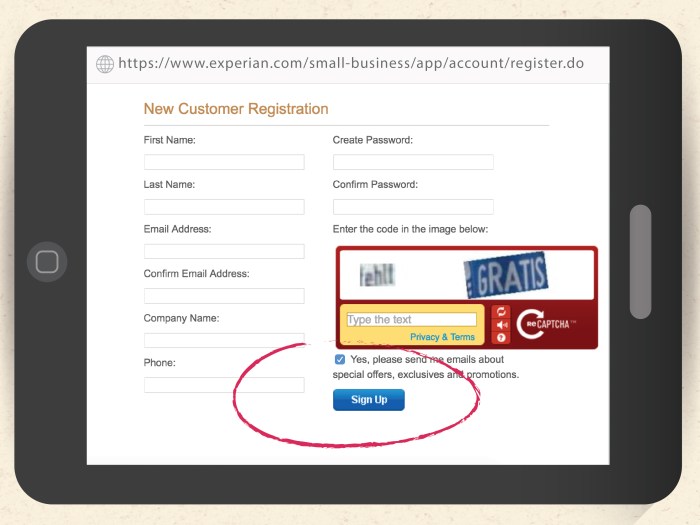
Applying for a business line of credit involves a straightforward process designed to assess your business’s financial health and creditworthiness.
To initiate the application, you’ll need to gather essential documentation and information that will provide a comprehensive overview of your business’s financial standing.
Required Documents and Information
- Business plan:Outlining your business goals, strategies, and financial projections.
- Financial statements:Including income statements, balance sheets, and cash flow statements.
- Tax returns:For both the business and personal.
- Business license and registration documents:Proof of your business’s legal existence.
- Personal identification:Including a government-issued ID and proof of address.
- Credit history:Both personal and business, if applicable.
- Collateral:If required by the lender, this could include assets such as real estate or inventory.
Lender Comparison
To make an informed decision, it’s crucial to compare various lenders offering business lines of credit. Consider factors like interest rates, fees, loan amounts, and repayment terms to identify the most suitable option for your business needs.
The table below provides a comprehensive comparison of different lenders, enabling you to evaluate their offerings side-by-side and make a well-informed choice.
Lender Comparison Table
| Lender | Interest Rates | Fees | Loan Amounts | Repayment Terms |
|---|---|---|---|---|
| Lender A | 5%
|
$100 origination fee, $50 annual fee | $25,000
|
Up to 5 years |
| Lender B | 4%
|
No origination fee, $25 monthly fee | $10,000
|
Up to 3 years |
| Lender C | 6%
|
$150 origination fee, no annual fee | $50,000
|
Up to 7 years |
| Lender D | 5%
|
$75 origination fee, $35 annual fee | $15,000
|
Up to 4 years |
Best Practices for Using a Business Line of Credit

Effectively managing a business line of credit requires careful planning and disciplined use. By following these best practices, businesses can maximize the benefits and mitigate the risks associated with this valuable financing tool.
Here are some key strategies for using a business line of credit effectively:
Understanding the Terms and Conditions
Before using a business line of credit, it’s crucial to thoroughly review and understand the terms and conditions, including the interest rate, repayment schedule, and any fees associated with the account. This knowledge will help businesses make informed decisions about how to use the funds and avoid any potential surprises.
Establishing a Clear Purpose
Businesses should have a clear understanding of the specific purposes for which they intend to use the business line of credit. This will help them avoid unnecessary borrowing and ensure that the funds are used for essential business needs.
Managing Cash Flow, Apply for business line of credit
A business line of credit can be an effective tool for managing cash flow. Businesses can draw on the line of credit to cover short-term expenses or seasonal fluctuations in revenue. By carefully managing cash flow, businesses can avoid overdraft fees and maintain a healthy financial position.
Maintaining a Good Credit Score
The interest rate and fees associated with a business line of credit are often based on the borrower’s credit score. Businesses should strive to maintain a good credit score by making timely payments and managing their debt responsibly.
Monitoring Usage and Repayments
Businesses should regularly monitor their usage of the business line of credit and make timely repayments. This will help them stay within their credit limit and avoid excessive interest charges.
Seeking Professional Advice
If businesses have any questions or concerns about using a business line of credit, they should consult with a financial advisor or accountant. These professionals can provide guidance and help businesses make informed decisions about their financing options.
Closure
In conclusion, applying for a business line of credit is a strategic move that can transform your financial landscape. By carefully considering the factors discussed in this guide, you can optimize your chances of approval and leverage this valuable resource to drive your business towards success.
Remember, a business line of credit is not merely a financial tool; it is a catalyst for growth, innovation, and the realization of your entrepreneurial aspirations.
Question & Answer Hub
What are the typical eligibility requirements for obtaining a business line of credit?
Lenders typically consider factors such as business revenue, profitability, credit history, and collateral when evaluating eligibility for a business line of credit.
What documentation is required during the application process?
Commonly required documents include financial statements, tax returns, business plan, and personal financial statements of the business owners.
What are the advantages of using a business line of credit?
Business lines of credit offer flexibility, as businesses can access funds as needed without having to reapply for a loan each time. They also provide a lower cost of borrowing compared to other short-term financing options.