
As low business insurance takes center stage, this opening passage beckons readers with vivid imagery into a world crafted with expertise, ensuring a reading experience that is both absorbing and distinctly original. Low business insurance, a beacon of protection for small businesses, empowers them to navigate the complexities of financial risks and liabilities, paving the way for sustainable growth and success.
Delving deeper, this comprehensive guide unravels the intricate tapestry of low business insurance, exploring its diverse types, cost-influencing factors, and the myriad benefits it bestows upon small businesses. Through real-world case studies and practical advice, we illuminate the path towards securing affordable and effective insurance solutions, empowering businesses to thrive in an ever-evolving landscape.
Types of Low Business Insurance
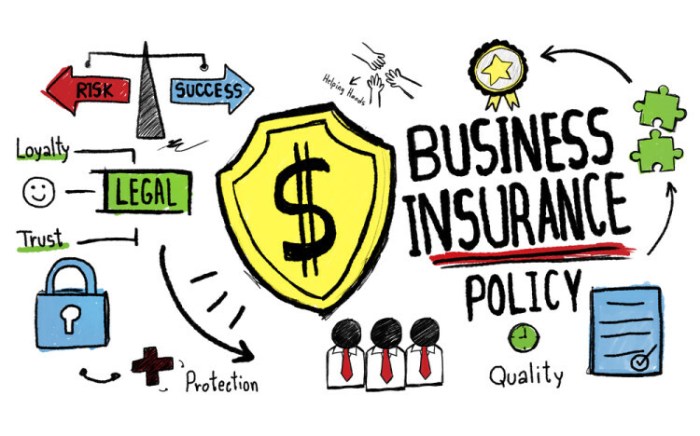
For low-income businesses, safeguarding your operations and finances is crucial. Various types of insurance coverage are available to cater to your specific needs.
Understanding the different insurance options empowers you to make informed decisions and protect your business effectively.
General Liability Insurance
- Protects against claims of bodily injury, property damage, or personal injury caused by your business operations.
- Essential for all businesses, regardless of size or industry.
Property Insurance
- Covers physical assets such as buildings, equipment, and inventory against damage or loss due to events like fire, theft, or natural disasters.
- Tailor your coverage to the specific risks your business faces.
Business Interruption Insurance
- Provides financial compensation if your business is forced to close temporarily due to a covered event.
- Covers expenses like lost revenue, employee wages, and ongoing expenses.
Tailored Insurance Solutions
Low-income businesses often have unique needs that require customized insurance solutions. Working with an experienced insurance agent can help you:
- Assess your specific risks and coverage gaps.
- Identify cost-effective policies that meet your budget.
- Tailor your coverage to protect your business’s unique operations.
Factors Affecting Low Business Insurance Costs
Insurance premiums for low-income businesses are influenced by several key factors, including industry, location, and business size. Understanding these factors can help businesses minimize their insurance costs while maintaining adequate coverage.
Industry
The type of industry a business operates in significantly impacts its insurance costs. Businesses in high-risk industries, such as construction or manufacturing, typically face higher premiums due to the increased likelihood of accidents or property damage.
Location
The location of a business also plays a role in determining insurance costs. Businesses located in areas with higher crime rates or natural disaster risks may pay more for insurance than those in safer areas.
Business Size
The size of a business can affect insurance costs, with larger businesses generally paying more than smaller businesses. This is because larger businesses have more employees, more property, and more potential liabilities.
Businesses can implement various strategies to reduce their insurance expenses without compromising coverage. These strategies include:
- Increase deductibles:Raising deductibles can lower premiums, but businesses should ensure they can afford the higher out-of-pocket costs in the event of a claim.
- Bundle policies:Combining multiple insurance policies, such as property and liability coverage, can often result in discounts.
- Improve safety measures:Implementing safety measures, such as installing security systems or providing employee training, can reduce the likelihood of accidents or losses, leading to lower premiums.
- Shop around for quotes:Comparing quotes from different insurance companies can help businesses find the most competitive rates.
Benefits of Low Business Insurance

For low-income businesses, obtaining insurance coverage is a crucial step towards securing their financial well-being. Insurance acts as a protective shield, safeguarding businesses from unexpected events that could potentially cripple their operations and jeopardize their survival.
Insurance provides businesses with peace of mind, knowing that they are protected against financial risks and liabilities. It ensures that businesses can continue to operate even in the face of adversity, without the fear of catastrophic financial losses.
Protection from Financial Risks
- Insurance policies cover a wide range of risks, such as property damage, liability claims, and business interruptions. By transferring these risks to an insurance company, businesses can avoid the financial burden of unexpected events.
- For instance, if a fire destroys a business’s premises, insurance coverage can provide the necessary funds to rebuild or replace the damaged property, allowing the business to resume operations quickly.
Protection from Liabilities, Low business insurance
- Insurance policies also protect businesses from legal liabilities. If a customer or employee is injured on the business premises, insurance coverage can help cover the costs of medical expenses and legal fees.
- For example, if a customer slips and falls in a store, liability insurance can provide coverage for the resulting medical expenses and any potential legal claims.
Peace of Mind and Security
- Having insurance coverage provides business owners with peace of mind, knowing that they are protected against unforeseen circumstances. This sense of security allows them to focus on growing their business without the constant worry of financial setbacks.
- Insurance policies offer a safety net, giving businesses the confidence to take calculated risks and pursue new opportunities, knowing that they have a financial cushion to fall back on if things go wrong.
Finding Affordable Low Business Insurance
Navigating the complexities of insurance can be daunting for low-income businesses. However, with the right strategies, you can find affordable low business insurance that meets your needs without breaking the bank.
To begin, it’s crucial to shop around and compare quotes from multiple insurance providers. Utilize online comparison tools or consult with insurance brokers who can provide you with a comprehensive overview of available options. They can help you understand the different types of coverage, identify potential discounts, and negotiate competitive rates on your behalf.
Role of Brokers and Agents
Insurance brokers and agents play a vital role in securing affordable low business insurance. They have established relationships with multiple insurance companies and can leverage their expertise to find you the best coverage at the lowest cost. Brokers typically work on a commission basis, so their services are often free to you.
Agents, on the other hand, are employed by specific insurance companies and may have limited options.
Government Programs and Initiatives
Depending on your location and business type, you may be eligible for government programs or initiatives that offer assistance with insurance costs. These programs can provide subsidies, grants, or tax breaks that can significantly reduce your insurance premiums. Research available programs in your area and explore their eligibility criteria.
Case Studies of Low Business Insurance
Low business insurance can provide a lifeline for low-income businesses, helping them mitigate financial risks and protect their operations. Here are some real-world examples of how such insurance has made a positive impact:
A Coffee Shop’s Story
A small coffee shop in a low-income neighborhood was hit by a fire that destroyed its equipment and inventory. The shop’s owner had purchased a low-cost business insurance policy that covered the cost of replacing the damaged items, allowing him to reopen his business within a few weeks.
A Hair Salon’s Success
A hair salon in a rural area was sued by a client who claimed to have suffered an allergic reaction to a hair product. The salon’s low business insurance policy covered the legal expenses and settlement costs, preventing the business from facing financial ruin.
A Construction Company’s Growth
A construction company in an economically depressed area was able to secure a low-cost liability insurance policy. This insurance gave the company the confidence to take on larger projects, which led to increased revenue and business growth.
Closing Summary
In closing, low business insurance emerges as an indispensable tool for small businesses, safeguarding their financial well-being and fostering their growth aspirations. By embracing the insights and strategies Artikeld in this guide, business owners can navigate the insurance landscape with confidence, ensuring that their ventures are shielded from unforeseen risks and poised for long-term success.
User Queries
What types of coverage are typically included in low business insurance policies?
Low business insurance policies typically cover a range of essential risks, including property damage, liability, business interruption, and crime.
How can I find the most affordable low business insurance options?
To secure the most affordable low business insurance options, consider comparing quotes from multiple providers, negotiating premiums, and exploring government programs that offer assistance.
What are the key factors that influence low business insurance costs?
Key factors that impact low business insurance costs include industry type, location, business size, claims history, and safety measures implemented.