
Small business indemnity insurance stands as a guardian angel for entrepreneurs, safeguarding them against financial pitfalls and legal woes. It’s a safety net that provides peace of mind, allowing businesses to thrive amidst unforeseen circumstances.
This insurance policy extends its protective shield over a wide spectrum of risks, including bodily injury, property damage, and financial losses. It empowers businesses to navigate the complexities of liability claims, ensuring they can continue their operations without facing financial ruin.
Coverage Overview
Small business indemnity insurance serves as a protective shield for your enterprise, safeguarding it against a spectrum of financial liabilities and risks. It encompasses coverage for bodily injuries sustained by individuals on your premises, damage to property belonging to others, and financial losses incurred due to negligence or errors.
This insurance policy acts as a safety net, ensuring that your business remains financially stable even in the face of unforeseen events. It empowers you to focus on growing your venture without the burden of excessive financial concerns.
Covered Risks
- Bodily Injury:Coverage extends to injuries suffered by individuals on your business premises, regardless of whether they are customers, employees, or visitors.
- Property Damage:This aspect covers damage caused to the property of others due to your business operations or negligence.
- Financial Loss:The policy provides protection against financial losses arising from legal liability, such as claims for defamation or copyright infringement.
Key Features and Benefits

Small business indemnity insurance is designed to protect businesses from financial liability and legal costs arising from claims made against them. It offers a range of key features and benefits that can provide peace of mind and financial security.
Indemnity insurance policies typically cover the following:
Claims Coverage, Small business indemnity insurance
- Bodily injury or property damage to third parties
- Legal expenses, including court costs and attorney fees
- Judgments and settlements awarded against the business
These policies can also provide:
Additional Coverage
- Coverage for employee injuries, even if the business is not at fault
- Protection against claims arising from products or services provided by the business
- Coverage for claims made by contractors or subcontractors
By obtaining small business indemnity insurance, businesses can safeguard their financial well-being and protect themselves from the potentially devastating consequences of lawsuits.
Eligibility and Exclusions: Small Business Indemnity Insurance
To qualify for small business indemnity insurance, businesses must meet certain eligibility criteria, including:
- Being a legally registered business entity.
- Operating within the policy’s defined business activities.
- Having a proven track record of financial stability.
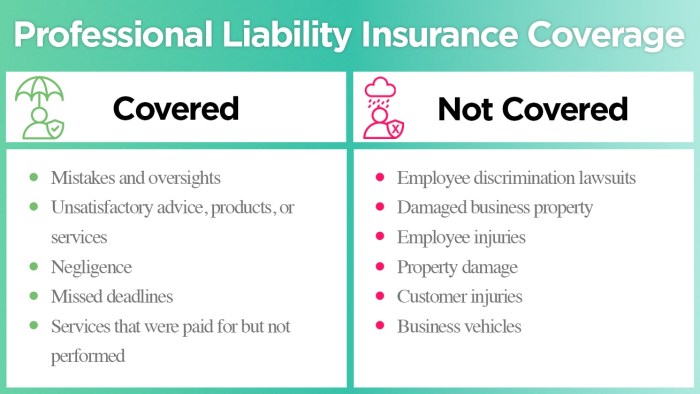
Despite providing broad coverage, indemnity insurance policies typically exclude certain types of claims, such as:
Common Exclusions
- Intentional Acts:Damages or injuries caused by deliberate or malicious actions of the business or its employees.
- Contractual Liabilities:Claims arising from breach of contracts or agreements.
- Employee Injuries:Injuries sustained by employees while performing their job duties, which are typically covered by workers’ compensation insurance.
- Property Damage:Physical damage to property owned or leased by the business.
- Environmental Liability:Claims related to environmental damage or pollution caused by the business’s operations.
Cost and Premiums
The cost of small business indemnity insurance premiums is influenced by several factors, including the size of the business, the industry in which it operates, the number of employees, the coverage limits, and the deductible.
Businesses can minimize their insurance costs by:
Risk Management
- Implementing strong risk management practices, such as regular safety inspections and employee training.
- Maintaining a good claims history.
- Working with an insurance broker to find the best coverage at the most competitive price.
Claims Process and Dispute Resolution
Filing a claim under a small business indemnity insurance policy typically involves the following steps:
The policyholder must notify the insurer promptly after an incident occurs. This can usually be done by phone, email, or through the insurer’s online portal.
The insurer will assign a claims adjuster to investigate the claim. The adjuster will gather evidence, interview witnesses, and determine the extent of the loss.
Once the investigation is complete, the insurer will issue a settlement offer to the policyholder. The policyholder can accept or reject the offer.
If the policyholder accepts the offer, the insurer will issue payment for the claim.
If the policyholder rejects the offer, they can appeal the decision through the insurer’s internal dispute resolution process.
Dispute Resolution
If the policyholder is not satisfied with the insurer’s decision, they can appeal the decision through the insurer’s internal dispute resolution process.
The internal dispute resolution process typically involves the following steps:
- The policyholder must submit a written appeal to the insurer.
- The insurer will review the appeal and make a decision.
- If the policyholder is still not satisfied with the decision, they can file a complaint with the state insurance commissioner.
Concluding Remarks
In the ever-evolving business landscape, small business indemnity insurance emerges as a beacon of stability. It empowers entrepreneurs to take calculated risks, knowing that they have a financial cushion to fall back on. As businesses grow and expand, this insurance policy remains a steadfast companion, providing unwavering support and protection.
FAQ Insights
What types of businesses need small business indemnity insurance?
Any small business that interacts with customers, clients, or the public can benefit from indemnity insurance. It’s particularly crucial for businesses that provide services or products that could potentially lead to bodily injury or property damage.
How much does small business indemnity insurance cost?
The cost of indemnity insurance varies depending on factors such as the size of the business, the industry, and the level of coverage required. It’s advisable to obtain quotes from multiple insurance providers to compare rates and find the most cost-effective option.
What are the exclusions under a small business indemnity insurance policy?
Common exclusions include intentional acts, criminal activities, and damage caused by pollution. It’s important to carefully review the policy to understand what is and isn’t covered.