
Get emergency money for bills fast – In the face of unexpected financial emergencies, accessing quick cash to cover pressing bills can be a daunting task. Fortunately, there are a myriad of options available to help you navigate these challenging times. From government assistance programs to alternative income sources, this comprehensive guide will illuminate your path to securing emergency funds and regaining financial stability.
Financial Assistance Programs
Various government and non-profit organizations offer emergency financial assistance to individuals and families facing financial hardship. These programs provide grants, loans, or other forms of support to help cover essential expenses such as rent, utilities, food, and medical bills.
Eligibility Criteria
Eligibility for financial assistance programs typically depends on factors such as income, household size, and financial need. Applicants must demonstrate that they are facing a temporary financial crisis and have exhausted other resources.
Application Procedures
Application procedures vary depending on the program. Some programs require in-person applications, while others can be submitted online or by mail. Applicants may need to provide documentation to verify their income, expenses, and financial need.
Potential Benefits, Get emergency money for bills fast
Financial assistance programs can provide a lifeline for individuals and families facing financial hardship. Benefits may include:
- Grants or loans to cover essential expenses
- Counseling and financial planning services
- Referrals to other community resources
Comparison of Programs
The following table compares some of the most common financial assistance programs:
| Program | Eligibility | Benefits | Application |
|---|---|---|---|
| Temporary Assistance for Needy Families (TANF) | Low-income families with children | Cash assistance, food stamps, child care | In-person application |
| Supplemental Nutrition Assistance Program (SNAP) | Low-income individuals and families | Food stamps | Online or in-person application |
| Emergency Rental Assistance Program (ERAP) | Individuals and families facing eviction | Rental assistance, utility assistance | Online or in-person application |
| Low Income Home Energy Assistance Program (LIHEAP) | Low-income households | Heating and cooling assistance | In-person application |
| Salvation Army Emergency Financial Assistance | Individuals and families facing financial hardship | Grants, food assistance, counseling | In-person application |
Short-Term Loans and Payday Advances
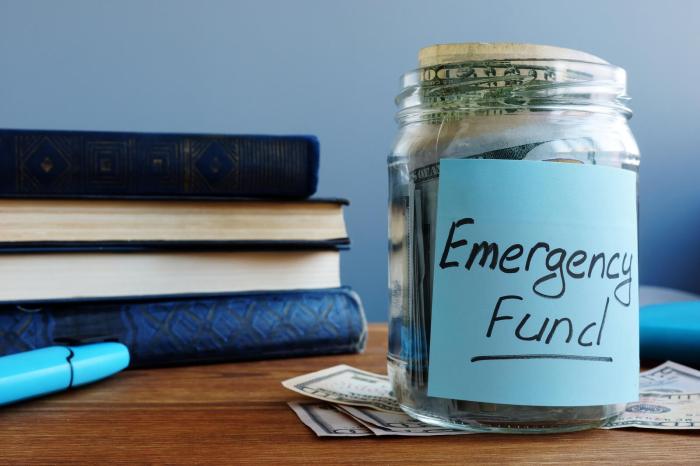
When faced with unexpected expenses or a financial emergency, short-term loans and payday advances can provide quick access to cash. However, these types of loans come with unique features and risks that borrowers should be aware of.
Finding Reputable Lenders and Comparing Loan Terms
Finding reputable lenders is crucial to avoid predatory practices and excessive interest rates. Research different lenders online, read reviews, and check their licensing and regulation status. Carefully compare loan terms, including interest rates, fees, and repayment periods. Opt for lenders with transparent terms and no hidden charges.
Avoiding Predatory Practices
Predatory lenders often target vulnerable borrowers with exorbitant interest rates and unfair loan terms. To avoid falling prey to such practices, be wary of lenders who pressure you into signing contracts without providing ample time to review them. Look out for lenders who advertise “no credit check” loans, as these typically come with higher interest rates and fees.
Budgeting and Managing Debt Effectively
Using short-term loans or payday advances requires careful budgeting and debt management. Create a realistic budget that includes loan repayments and other expenses. Avoid taking on more debt than you can afford to repay. If possible, consider consolidating multiple debts into a single loan with a lower interest rate to reduce monthly payments.
Alternative Income Sources: Get Emergency Money For Bills Fast
In the face of financial emergencies, exploring creative ways to generate additional income can provide a lifeline. From gig economy jobs to freelance work and selling unwanted items, there are numerous options to supplement your regular income quickly.
Gig Economy Jobs
The gig economy offers flexible and often short-term work opportunities through platforms like Uber, Lyft, and TaskRabbit. These jobs allow you to choose when and where you work, making them ideal for those seeking immediate income.
Freelance Work
Freelance platforms such as Upwork and Fiverr connect you with clients worldwide, enabling you to offer your skills in writing, design, coding, and more. Freelancing provides flexibility and the potential for higher earnings, but requires self-motivation and a strong work ethic.
Selling Unwanted Items
Declutter your home and earn some extra cash by selling unwanted items online or through consignment stores. Websites like eBay, Craigslist, and Facebook Marketplace make it easy to list and sell your pre-loved belongings.
Debt Consolidation and Credit Counseling

Overwhelming bills can be a major source of stress and anxiety. Fortunately, there are several options available to help you manage your debt, including debt consolidation and credit counseling.
Debt Consolidation
Debt consolidation involves combining multiple debts into a single, lower-interest loan. This can make it easier to manage your payments and potentially save you money on interest.
There are two main types of debt consolidation loans: secured and unsecured.
- Secured debt consolidation loansare backed by collateral, such as your home or car. This means that if you default on the loan, the lender can seize your collateral.
- Unsecured debt consolidation loansare not backed by collateral. This means that if you default on the loan, the lender cannot seize your assets.
Credit Counseling
Credit counselors are non-profit organizations that can help you create a budget, manage your debt, and improve your credit score.
Credit counselors can provide you with a variety of services, including:
- Budgeting assistance
- Debt management plans
- Credit counseling
- Negotiation with creditors
Budgeting and Expense Management
Managing your finances effectively requires creating a budget and tracking expenses to control spending. This process involves setting financial goals, prioritizing expenses, and seeking professional help if needed. By implementing these strategies, you can gain control over your finances and achieve financial stability.
Creating a Budget
A budget is a plan that Artikels your income and expenses over a specific period, typically a month. To create a budget, start by tracking your income from all sources, including wages, salaries, investments, and government benefits.
Next, list your expenses, which can be categorized as fixed (e.g., rent, mortgage, car payment) or variable (e.g., groceries, entertainment, dining out). Fixed expenses remain relatively constant each month, while variable expenses can fluctuate.
Once you have a clear understanding of your income and expenses, you can allocate funds to different categories. Use a budgeting app or spreadsheet to track your expenses and ensure you stay within your budget.
Tracking Expenses
Regularly tracking your expenses is crucial for identifying areas where you can save money. Keep receipts, use a budgeting app, or review your bank statements to monitor your spending habits.
By tracking expenses, you can identify unnecessary purchases, reduce impulse spending, and make informed decisions about your financial choices.
Reducing Unnecessary Spending
To reduce unnecessary spending, consider the following strategies:
- Create a shopping list and stick to it when grocery shopping.
- Compare prices before making purchases.
- Negotiate lower rates on bills, such as insurance premiums or phone plans.
- Consider downsizing your living space or car to lower housing or transportation costs.
- Cook meals at home instead of dining out.
Seeking Professional Help
If you struggle to manage your finances effectively, consider seeking professional help from a financial advisor or credit counselor. These experts can provide personalized guidance, help you create a budget, and develop strategies to reduce debt and improve your financial situation.
Closing Notes

Remember, financial emergencies can strike at any moment, but with the knowledge and resources Artikeld in this guide, you can confidently weather these storms. Embrace the strategies presented here to alleviate financial stress, secure emergency funds, and regain control of your financial well-being.
Expert Answers
What are the eligibility criteria for government financial assistance programs?
Eligibility criteria vary depending on the program. Generally, factors such as income level, household size, and financial need are considered.
How can I find reputable short-term loan lenders?
Look for lenders with a proven track record, transparent loan terms, and competitive interest rates. Check online reviews and consult with trusted financial advisors.
What are the risks associated with payday advances?
Payday advances often come with high interest rates and short repayment periods, which can lead to a cycle of debt if not managed responsibly.
How can debt consolidation help me manage overwhelming bills?
Debt consolidation combines multiple debts into a single loan with a lower interest rate, simplifying repayment and potentially reducing overall debt.