
Bank accounts with no opening deposit are financial lifelines, offering access to essential banking services without the barrier of an initial deposit. These accounts empower individuals with limited funds to manage their finances, build savings, and participate in the formal financial system.
From traditional banks to online fintech platforms, various institutions offer bank accounts with no opening deposit. These accounts cater to diverse needs, from basic checking and savings accounts to specialized accounts designed for specific purposes.
Benefits of Bank Accounts with No Opening Deposit
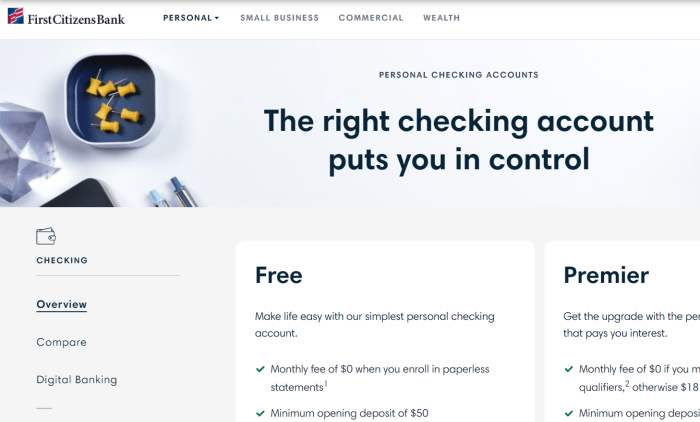
Opening a bank account without an initial deposit offers numerous advantages, especially for individuals with limited funds or those who are just starting out. These accounts provide access to essential banking services without the barrier of a minimum deposit requirement.
One of the primary benefits of bank accounts with no opening deposit is the increased accessibility to banking services. For individuals who may not have the means to make a substantial initial deposit, these accounts offer a gateway to managing their finances more effectively.
They can deposit their earnings, pay bills, and access other essential banking services, promoting financial inclusion.
Examples of Banks Offering No Opening Deposit Accounts, Bank accounts with no opening deposit
- Chime:Chime offers a no-fee checking account with no minimum balance requirement, making it accessible to individuals with limited funds.
- Axos Bank:Axos Bank’s Essential Checking account has no monthly maintenance fees or minimum balance requirements, providing a convenient option for those who want to avoid additional charges.
- Ally Bank:Ally Bank’s Online Savings Account requires no minimum deposit to open and offers competitive interest rates, allowing individuals to start saving without any upfront investment.
Types of Bank Accounts with No Opening Deposit
Bank accounts with no opening deposit offer convenience and accessibility to individuals who may not have the initial funds to open a traditional account. These accounts come in various types, each with its own set of features, benefits, and eligibility criteria.
Checking Accounts
- Basic Checking Accounts:Designed for everyday banking needs, these accounts offer features such as check writing, debit card access, and online banking. Eligibility typically requires proof of identity and a valid address.
- Interest-Bearing Checking Accounts:Similar to basic checking accounts, these accounts earn interest on the balance, providing a potential way to grow savings over time. Eligibility may require a higher minimum balance.
Savings Accounts
- Passbook Savings Accounts:Traditional savings accounts that use a passbook to record transactions. They offer a safe and secure way to save money, with eligibility often requiring only a valid ID.
- Online Savings Accounts:Convenient and accessible, these accounts are managed online and offer competitive interest rates. Eligibility may require a valid email address and a linked checking account.
Money Market Accounts
- Money Market Deposit Accounts (MMDAs):High-yield savings accounts that offer check-writing privileges. They may require a higher minimum balance to open and may have transaction limits.
- Money Market Savings Accounts (MMSAs):Similar to MMDAs, these accounts offer check-writing privileges but may have lower interest rates and higher minimum balance requirements.
Fees and Charges Associated with Bank Accounts with No Opening Deposit
Bank accounts with no opening deposit may have associated fees or charges that can impact account holders. These fees can vary depending on the financial institution and the type of account.
Account Maintenance Fees
Account maintenance fees are monthly or annual charges for maintaining an account. These fees can range from a few dollars to tens of dollars per month. If an account holder does not maintain a minimum balance or meet certain activity requirements, they may be charged an account maintenance fee.
Using Bank Accounts with No Opening Deposit
Opening and using bank accounts with no opening deposit is a convenient and accessible way to manage your finances. Here’s a step-by-step guide to help you get started:
Step 1: Choose a Bank and Account Type
Research different banks that offer no-opening-deposit accounts and compare their terms, conditions, and fees. Select an account type that aligns with your financial needs, such as a checking account for everyday transactions or a savings account for long-term savings.
Step 2: Submit an Application
Complete the bank’s account opening application online or in person. Provide your personal information, contact details, and proof of identity (e.g., driver’s license, passport).
Step 3: Verify Your Identity
The bank may require you to verify your identity through additional documents or a video call. This step ensures the security and compliance of your account.
Step 4: Activate Your Account
Once your identity is verified, the bank will activate your account. You may receive a debit card or online banking credentials to access your account.
Step 5: Manage Your Account
Use your account for everyday transactions, such as depositing checks, making withdrawals, and paying bills. Monitor your account balance and transactions regularly to ensure proper management.
Limitations and Restrictions
While bank accounts with no opening deposit offer convenience, they may have certain limitations and restrictions:
- Limited Features:These accounts may not offer all the features of traditional bank accounts, such as overdraft protection or check writing.
- Monthly Maintenance Fees:Some no-opening-deposit accounts charge monthly maintenance fees to keep the account active.
- Transaction Limits:There may be limits on the number of transactions you can make per month or the amount of money you can withdraw.
- Minimum Balance Requirements:Some accounts require you to maintain a minimum balance to avoid fees or penalties.
- Eligibility Criteria:Banks may have eligibility criteria for opening no-opening-deposit accounts, such as proof of income or a good credit history.
Comparison of Bank Accounts with No Opening Deposit
Choosing a bank account with no opening deposit can be daunting, given the various options available. To simplify the process, we have compiled a table comparing different bank accounts based on their features, fees, and eligibility criteria. This comprehensive comparison will help you identify the account that best aligns with your financial needs.
Features
Bank accounts with no opening deposit typically offer a range of features to cater to different banking requirements. Some common features include:
- Online and mobile banking
- Debit card or ATM card
- Direct deposit
- Bill pay
- Check writing (in some cases)
Fees
While bank accounts with no opening deposit may not require an initial deposit, they may charge various fees, including:
- Monthly maintenance fees
- Transaction fees
- Overdraft fees
- ATM withdrawal fees
Eligibility Criteria
Eligibility criteria for bank accounts with no opening deposit can vary depending on the bank and the specific account type. Some common eligibility requirements include:
- Minimum age requirement (usually 18 years)
- Valid government-issued ID
- Proof of address
- Social Security number or Taxpayer Identification Number
By carefully comparing the features, fees, and eligibility criteria of different bank accounts with no opening deposit, you can make an informed decision that meets your specific banking needs.
Final Thoughts

Bank accounts with no opening deposit are a game-changer for financial inclusion, providing a gateway to financial stability and empowerment. They offer a lifeline to individuals who have traditionally been excluded from the formal banking system, fostering financial literacy and economic growth.
Essential FAQs
Can I open a bank account with no opening deposit if I have bad credit?
Yes, some banks offer bank accounts with no opening deposit and no credit checks. These accounts are designed to provide access to banking services for individuals with limited credit history or poor credit.
What are the fees associated with bank accounts with no opening deposit?
Fees vary depending on the bank and the type of account. Some accounts may have monthly maintenance fees, transaction fees, or minimum balance requirements. It’s important to compare fees before choosing an account.
Can I use a bank account with no opening deposit to receive government benefits?
Yes, many banks allow you to receive government benefits, such as Social Security or unemployment benefits, into a bank account with no opening deposit. This can provide a safe and convenient way to manage your finances.