
Depositing cash at bank is a crucial aspect of financial management, offering numerous benefits and security considerations. In this comprehensive guide, we delve into the various methods of depositing cash, exploring their advantages, potential risks, and practical tips to ensure a safe and seamless experience.
From understanding the steps involved in each deposit method to identifying common issues and troubleshooting solutions, this guide empowers you with the knowledge to navigate the process of depositing cash at a bank confidently and effectively.
Depositing Cash at Bank: Methods
Depositing cash into a bank account can be done through various methods, each with its own set of steps, fees, and limits. Understanding these methods is crucial for efficient and secure cash deposits.
At the Bank Teller
- Steps:Visit a bank branch during business hours, fill out a deposit slip, and present it along with the cash to the teller. The teller will verify the information and credit the funds to your account.
- Fees:Typically free for basic accounts, but some banks may charge a small fee for non-customers.
- Limits:Banks may have daily or monthly limits on cash deposits, especially for large amounts.
Automated Teller Machine (ATM)
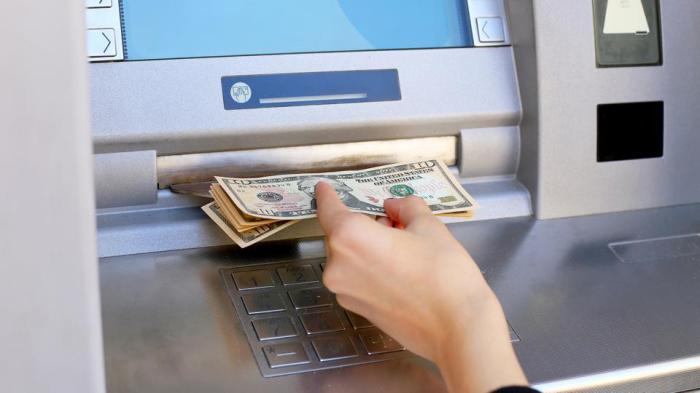
- Steps:Insert your bank card into the ATM, enter your PIN, select the “Deposit” option, and follow the on-screen instructions. The ATM will count and credit the cash to your account.
- Fees:Some ATMs may charge a fee for non-customers or for depositing large amounts.
- Limits:ATMs typically have lower deposit limits compared to tellers.
Mobile Banking
- Steps:Download your bank’s mobile app, log in to your account, select the “Deposit” option, and follow the instructions. The app will guide you through taking a picture of the check or entering the cash amount and confirming the deposit.
- Fees:Mobile deposits are usually free for basic accounts, but some banks may charge a fee for large deposits.
- Limits:Mobile banking often has lower deposit limits than other methods.
Night Deposit Box
- Steps:Access the night deposit box located outside the bank, fill out a deposit slip, seal the cash and deposit slip in an envelope, and drop it into the box. The bank will process the deposit the next business day.
- Fees:Typically free for business accounts, but some banks may charge a fee for personal accounts.
- Limits:Night deposit boxes may have higher deposit limits compared to other methods.
Benefits of Depositing Cash at Bank

Depositing cash at a bank offers numerous advantages that can enhance financial management, provide security, and generate returns. Understanding these benefits can help individuals and businesses make informed decisions about handling their cash.
Manage Finances Effectively
Depositing cash into a bank account provides a structured way to track and manage finances. Bank statements and online banking platforms offer real-time visibility into transactions, allowing individuals to monitor their cash flow, identify spending patterns, and plan for the future.
This organized approach to cash management helps avoid overspending, control debt, and make informed financial decisions.
Protect Against Theft and Loss
Keeping large amounts of cash on hand poses a significant risk of theft or loss. Depositing cash in a bank provides a secure and insured way to protect funds. Banks employ robust security measures, including vaults, alarms, and surveillance systems, to safeguard deposits.
In case of theft or loss, bank insurance policies often provide coverage, giving depositors peace of mind.
Earn Interest and Grow Savings
Depositing cash in an interest-bearing account can generate returns over time. Banks offer various types of accounts, such as savings accounts and money market accounts, that pay interest on deposited funds. While interest rates may vary, earning even a small percentage on savings can help individuals accumulate wealth and achieve financial goals.
Convenience and Accessibility
Depositing cash at a bank is convenient and accessible. Most banks have multiple branches and ATMs located in convenient areas, allowing individuals to make deposits at their own time and schedule. Additionally, online and mobile banking platforms enable remote deposits, providing even greater flexibility and convenience.
Security Considerations When Depositing Cash at Bank
Depositing cash at a bank generally involves visiting a physical branch, making it essential to prioritize personal safety and protect financial assets. Understanding potential risks and implementing appropriate security measures is crucial to ensure a smooth and secure transaction.
Choosing a Safe Location and Time
- Opt for well-lit and populated bank branches during regular business hours.
- Avoid carrying large amounts of cash visibly, especially in crowded areas.
- Park your vehicle in a secure location and be aware of your surroundings.
Protecting Personal Information
- Conceal your PIN when entering it at the ATM or teller window.
- Avoid disclosing personal or financial information to strangers.
- Report any lost or stolen bank cards immediately to prevent unauthorized access.
Preventing Fraud
- Be wary of individuals offering to help with cash deposits or unsolicited financial advice.
- Check the authenticity of bank personnel by verifying their identification badges.
- Inspect the ATM thoroughly for any suspicious devices or tampering.
Troubleshooting Common Issues with Cash Deposits
Encountering problems while depositing cash at the bank is not uncommon. Here’s a guide to help you identify and resolve common issues:
Incorrect Amount Deposited
- Verify the deposit slip carefully to ensure the amount entered matches the cash deposited.
- Recount the cash and check for any missing or excess bills.
- If the discrepancy persists, contact the bank immediately for assistance.
Deposit Slip Errors
- Ensure all required fields on the deposit slip are filled out accurately.
- Double-check the account number and name to prevent funds from being deposited into the wrong account.
- If an error is identified, request a new deposit slip from the bank.
ATM Issues
- Verify that the ATM is functioning correctly and accepts cash deposits.
- Follow the instructions on the ATM screen carefully and insert the cash as directed.
- If the ATM malfunctions or fails to recognize the cash, contact the bank’s customer support line.
Rejected Deposits
- Deposits may be rejected due to damaged or counterfeit bills.
- Inspect the cash carefully and remove any suspicious or torn bills.
- If the deposit is still rejected, contact the bank for further assistance.
Bank Support, Depositing cash at bank
If you encounter any unresolved issues, contact your bank’s customer support team for assistance. They can provide further guidance and resolve any outstanding problems.
Alternative Options to Depositing Cash at Bank

In today’s digital era, there are numerous alternative methods to deposit cash without visiting a physical bank branch. These alternatives offer convenience, accessibility, and often faster processing times.
Let’s explore the various alternative deposit options, their advantages, and factors to consider when choosing one.
ATMs (Automated Teller Machines)
- Advantages:ATMs provide 24/7 access, eliminating the need to visit a bank during business hours. They are widely available, making it easy to find one near you.
- Disadvantages:Not all ATMs accept cash deposits. Some ATMs may have daily deposit limits, and some may charge fees for the service.
Mobile Banking Apps
- Advantages:Mobile banking apps allow you to deposit checks and cash remotely using your smartphone. They offer convenience and save you time by eliminating the need to go to a bank.
- Disadvantages:Not all banks offer mobile check deposit features. Some apps may have deposit limits, and there may be security concerns to consider.
Third-Party Services
- Advantages:Third-party services like MoneyGram or Western Union allow you to deposit cash at participating retail locations, such as convenience stores or grocery stores. This can be convenient if you don’t have a bank account or prefer not to use ATMs or mobile banking.
- Disadvantages:Third-party services typically charge fees for their services, which can vary depending on the amount you’re depositing and the service provider.
Factors to Consider When Choosing an Alternative Deposit Method
- Convenience:Consider the accessibility and availability of the deposit method. How easy is it to find a location where you can make a deposit?
- Fees:Determine if there are any fees associated with the deposit method. Some ATMs or third-party services may charge a fee for their services.
- Security:Ensure that the deposit method you choose is secure and protects your personal and financial information.
- Deposit Limits:Be aware of any deposit limits imposed by the deposit method. Some ATMs or mobile banking apps may have daily or monthly deposit limits.
Conclusion
Whether you’re seeking to safeguard your funds, earn interest, or simply manage your finances efficiently, depositing cash at a bank remains a fundamental practice. By embracing the insights and strategies Artikeld in this guide, you can harness the benefits of this financial service while mitigating potential risks.
FAQs
What are the most common methods for depositing cash at a bank?
The most common methods include teller deposits, ATM deposits, mobile banking deposits, and night depository services.
What are the advantages of depositing cash at a bank?
Depositing cash at a bank offers benefits such as protecting funds from theft or loss, earning interest, and facilitating convenient access to funds.
What security measures should be taken when depositing cash at a bank?
To ensure security, choose a well-lit and populated location, be aware of your surroundings, and protect your personal information from fraud.