
Identify Reputable Sources

25 ways to Find best automobile insurance companies – Identifying reputable sources is crucial for evaluating automobile insurance companies. By consulting independent rating agencies and consumer protection organizations, you can gather unbiased information and make informed decisions.
Rating Agencies
Reputable rating agencies provide comprehensive evaluations of insurance companies based on financial strength, claims handling, and customer satisfaction. Consider agencies like J.D. Power, A.M. Best, and Moody’s for reliable ratings.
Consumer Protection Organizations
Consumer protection organizations, such as the National Association of Insurance Commissioners (NAIC) and the Better Business Bureau (BBB), offer valuable insights into insurance companies’ practices. They investigate complaints, monitor industry trends, and provide consumer alerts.
Consider Company Reputation
When evaluating insurance companies, their reputation should be a key consideration. This includes researching customer reviews and testimonials on platforms like Trustpilot, Consumer Reports, and Yelp. These platforms provide valuable insights into the experiences and satisfaction levels of previous customers.
Additionally, checking social media channels can provide further feedback and engagement. Social media allows customers to share their experiences and opinions in real-time, offering a more candid and up-to-date perspective on the company’s service and responsiveness.
Researching Customer Reviews
- Read reviews on multiple platforms to get a comprehensive view.
- Pay attention to the overall rating and the specific feedback provided.
- Look for reviews that are detailed and provide specific examples.
- Consider the date of the reviews to ensure they are up-to-date.
Checking Social Media Channels
- Follow the company’s social media pages to stay updated on their activities.
- Monitor customer interactions and comments on social media posts.
- Engage with customers who have positive or negative experiences.
- Use social media to ask questions and gather feedback from current customers.
Analyze Financial Stability
Assessing a company’s financial stability is crucial to ensure its ability to fulfill its obligations and pay claims promptly. Accessing financial reports can provide insights into the company’s financial health.
Key metrics to examine include:
- Assets:The total value of the company’s holdings, including cash, investments, and real estate.
- Liabilities:The total amount the company owes to others, such as policyholders and creditors.
- Surplus:The difference between assets and liabilities, representing the company’s financial cushion.
Understanding Key Metrics
A high surplus indicates the company’s ability to absorb losses and fulfill its obligations. Conversely, a low surplus may raise concerns about the company’s financial stability.
Additionally, examining the company’s financial ratios can provide further insights:
- Current Ratio:Assets divided by liabilities, indicating the company’s ability to meet short-term obligations.
- Debt-to-Equity Ratio:Liabilities divided by equity, indicating the company’s reliance on debt financing.
- Return on Equity (ROE):Net income divided by equity, indicating the company’s profitability.
Strong financial ratios suggest a stable and well-managed company, while weak ratios may warrant further investigation.
Compare Coverage Options

When comparing automobile insurance companies, it’s crucial to evaluate the coverage options they offer. Different policies provide varying levels of protection, and it’s important to tailor your coverage to your individual needs and risk tolerance.
Types of Coverage
There are three main types of automobile insurance coverage:
- Liability Coverage:Covers damages to others and their property caused by your negligence while driving.
- Collision Coverage:Covers damages to your vehicle if it collides with another vehicle or object.
- Comprehensive Coverage:Covers damages to your vehicle from events other than collisions, such as theft, vandalism, or natural disasters.
Tailoring Coverage
The optimal coverage for you depends on your circumstances. Consider factors such as:
- Your driving history and risk tolerance
- The value of your vehicle
- Your financial situation
For example, if you have a history of accidents or drive in a high-risk area, you may want to consider higher liability coverage. If your vehicle is expensive or you have limited financial resources, comprehensive coverage may be a wise choice.By
comparing coverage options and tailoring your policy to your specific needs, you can ensure you have the right level of protection for your automobile.
Evaluate Customer Service: 25 Ways To Find Best Automobile Insurance Companies
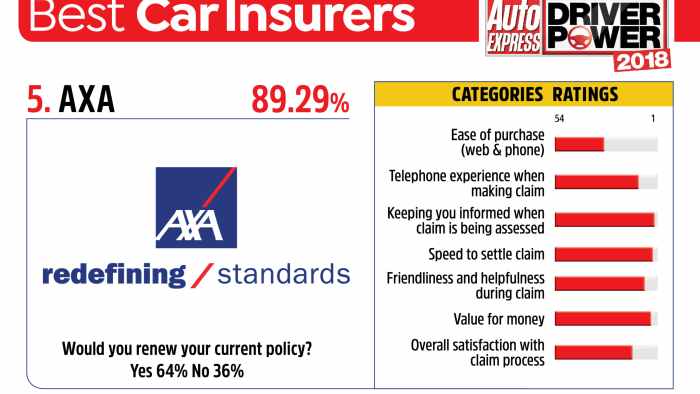
Customer service is crucial when choosing an auto insurance company. Assess its quality through online reviews, phone inquiries, and social media interactions. Positive feedback, prompt responses, and helpful support indicate a company that values its customers.
Online Reviews
Read reviews on platforms like Trustpilot and Google My Business. Look for feedback on the responsiveness, professionalism, and resolution time of customer service.
Phone Inquiries
Call the company’s customer service line and ask questions about coverage options, claims handling, and policy details. Evaluate the politeness, knowledge, and efficiency of the representative.
Social Media Interactions, 25 ways to Find best automobile insurance companies
Engage with the company on social media. Check their posts, comments, and direct messages to observe how they handle customer inquiries and resolve complaints.
FAQ Summary
What factors should I consider when choosing an automobile insurance company?
Reputation, financial stability, coverage options, customer service, and affordability are key factors to evaluate.
How can I compare coverage options from different insurance companies?
Carefully review the types of coverage offered, including liability, collision, and comprehensive, and tailor them to your specific needs and risk tolerance.
What are some ways to assess the financial stability of an insurance company?
Access financial reports and analyze key metrics such as assets, liabilities, and surplus to understand the company’s ability to pay claims and fulfill its obligations.