

AI regulation, a topic of paramount importance in the digital age, presents a fascinating tapestry of ethical, economic, and legal considerations. As we delve into the intricacies of AI regulation, we will explore the potential ethical implications, analyze its economic impact, and delve into industry-specific regulations.
Our journey will also encompass the significance of international cooperation and the challenges of enforcement and compliance.
Ethical Considerations
AI regulation raises significant ethical concerns that require careful consideration. These concerns include:
Privacy:AI systems collect and process vast amounts of data, raising concerns about the potential misuse or abuse of personal information.
Bias:AI systems can inherit and amplify biases from the data they are trained on, leading to unfair or discriminatory outcomes.
Accountability:As AI systems become more complex, it becomes challenging to determine who is responsible for their actions and decisions.
Key Principles for Ethical AI Regulation
To address these ethical concerns, AI regulation should be guided by key principles, such as:
- Transparency:AI systems should be transparent and accountable, allowing users to understand how they work and make decisions.
- Fairness:AI systems should be designed to be fair and unbiased, ensuring that they do not discriminate against individuals or groups.
- Privacy:AI systems should respect user privacy and protect personal data from unauthorized access or misuse.
- Accountability:There should be clear mechanisms for identifying and holding accountable those responsible for the development and use of AI systems.
- Human oversight:AI systems should be subject to human oversight to ensure that they are used responsibly and ethically.
Economic Impact
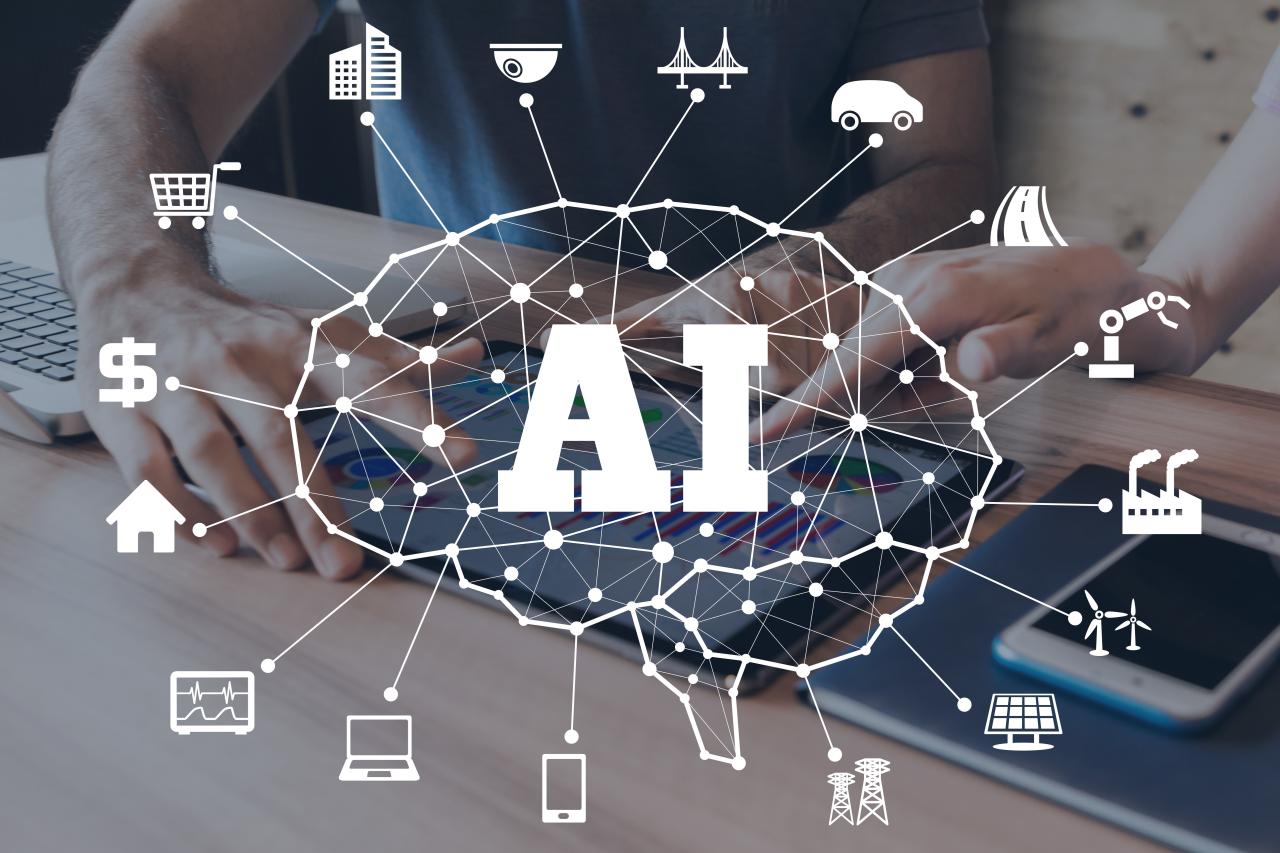
AI regulation has the potential to bring both positive and negative economic effects. On the one hand, it can promote innovation and competition, while on the other hand, it can also lead to increased costs and reduced efficiency.
One of the potential benefits of AI regulation is that it can encourage innovation. By setting clear rules and standards for the development and use of AI, governments can create a more level playing field for businesses and encourage them to invest in research and development.
Impact on Innovation
- Promote innovation by establishing clear rules and standards.
- Encourage investment in research and development by providing a more stable regulatory environment.
- Create a level playing field for businesses, allowing smaller companies to compete with larger ones.
Impact on Competition
- Foster competition by preventing large companies from dominating the market.
- Encourage new entrants by reducing barriers to entry.
- Promote consumer choice by providing a wider range of AI products and services.
Impact on Job Markets, AI regulation
- Create new jobs in the AI sector.
- Displace workers in some industries, such as manufacturing and transportation.
- Require workers to acquire new skills to adapt to the changing job market.
Industry-Specific Regulations
As AI becomes more pervasive, specific industries and sectors are likely to face unique regulatory challenges. These regulations aim to address the potential risks and ethical concerns associated with AI in particular domains.
Industries that heavily rely on data collection and processing, such as healthcare, finance, and transportation, are likely to be subject to more stringent AI regulations. These regulations will focus on ensuring data privacy, preventing algorithmic bias, and promoting fairness and transparency in decision-making.
Healthcare
In healthcare, AI is used for tasks such as medical diagnosis, treatment planning, and drug discovery. The use of AI in healthcare raises concerns about data privacy, as patient data is highly sensitive. Additionally, algorithmic bias in AI systems could lead to unfair or inaccurate medical decisions.
Existing regulations in healthcare, such as the Health Insurance Portability and Accountability Act (HIPAA) in the United States, aim to protect patient privacy and data security. Proposed regulations, such as the EU’s Artificial Intelligence Act, include specific provisions for AI in healthcare, focusing on transparency, accountability, and fairness.
Finance
In finance, AI is used for tasks such as fraud detection, risk assessment, and algorithmic trading. The use of AI in finance raises concerns about market manipulation and systemic risk. Additionally, algorithmic bias in AI systems could lead to unfair or discriminatory lending practices.
Existing regulations in finance, such as the Dodd-Frank Wall Street Reform and Consumer Protection Act in the United States, aim to prevent financial fraud and systemic risk. Proposed regulations, such as the EU’s Digital Finance Strategy, include specific provisions for AI in finance, focusing on transparency, accountability, and fairness.
Transportation
In transportation, AI is used for tasks such as autonomous driving, traffic management, and logistics optimization. The use of AI in transportation raises concerns about safety, liability, and data privacy. Additionally, algorithmic bias in AI systems could lead to unfair or discriminatory pricing practices.
Existing regulations in transportation, such as the National Highway Traffic Safety Administration (NHTSA) in the United States, aim to ensure the safety of vehicles and drivers. Proposed regulations, such as the EU’s White Paper on Artificial Intelligence, include specific provisions for AI in transportation, focusing on safety, liability, and data privacy.
International Cooperation
International cooperation is essential for effective AI regulation. AI systems often transcend national borders, making it necessary for countries to work together to ensure responsible development and deployment.Harmonizing regulations across different jurisdictions presents challenges due to varying legal frameworks, cultural norms, and economic interests.
However, it also offers opportunities for shared learning, best practice exchange, and coordinated enforcement actions.
Successful International Efforts
The Organisation for Economic Co-operation and Development (OECD) has developed AI Principles that provide guidance for responsible AI development. The Global Partnership on Artificial Intelligence (GPAI) is a multi-stakeholder initiative that promotes international cooperation on AI policy.
Unsuccessful International Efforts
The United States and the European Union have struggled to find common ground on AI regulation, leading to potential fragmentation in the global AI landscape.
Enforcement and Compliance
Ensuring compliance with AI regulations presents several challenges. These include the complexity and rapid evolution of AI technologies, the difficulty in detecting and proving violations, and the lack of harmonized global standards.
Effective enforcement mechanisms are crucial to ensure that AI is developed and used responsibly. These mechanisms should involve a combination of government agencies, industry self-regulation, and consumer advocacy.
Role of Government Agencies
- Establish clear and enforceable regulations.
- Conduct regular inspections and audits to ensure compliance.
- Impose penalties for violations, including fines, sanctions, and criminal charges.
- Provide guidance and support to businesses and consumers on AI regulation compliance.
Role of Industry Self-Regulation
- Develop industry codes of conduct and best practices for AI development and use.
- Establish self-monitoring and reporting mechanisms to ensure compliance.
- Collaborate with government agencies to provide input on regulation development and enforcement.
Role of Consumer Advocacy
- Educate consumers about their rights and responsibilities related to AI.
- Monitor the market for AI products and services and report any potential violations.
- Advocate for strong AI regulations and enforcement mechanisms.
Conclusion: AI Regulation

In conclusion, AI regulation is a multifaceted endeavor that requires careful consideration and collaboration among stakeholders. By navigating the complexities of ethical, economic, and legal aspects, we can harness the transformative power of AI while safeguarding our values and ensuring responsible innovation.
Essential Questionnaire
What are the key ethical concerns surrounding AI regulation?
AI regulation raises concerns about privacy, bias, and accountability. It is crucial to establish ethical principles to guide the development and use of AI systems.
How does AI regulation impact the economy?
AI regulation can have both positive and negative economic effects. It may foster innovation and competition but also impact job markets. Careful analysis is needed to balance these effects.
Why is international cooperation important in AI regulation?
International cooperation is vital to ensure harmonization of AI regulations across jurisdictions. It facilitates the sharing of best practices and prevents regulatory fragmentation.