
Commercial general liability insurance for small business – In the realm of small businesses, commercial general liability insurance emerges as an indispensable safeguard, providing a robust shield against unforeseen risks that threaten the stability and reputation of these ventures. This comprehensive coverage extends its protective umbrella over a wide spectrum of potential perils, empowering small businesses to navigate the complexities of the business landscape with confidence.
As we delve into the intricacies of commercial general liability insurance, we will uncover its multifaceted nature, exploring the types of risks it covers, the factors that influence its cost, and the strategies for managing claims effectively. By illuminating the path towards tailored insurance solutions, this discourse aims to empower small business owners with the knowledge and tools they need to protect their enterprises and thrive in an ever-evolving marketplace.
Understanding Commercial General Liability Insurance (CGL) for Small Businesses
Commercial General Liability (CGL) insurance is an essential coverage for small businesses. It provides protection against financial losses resulting from third-party claims of bodily injury, property damage, or advertising injury. By understanding the purpose, coverage, and risks covered by CGL insurance, small businesses can safeguard their operations and minimize potential liabilities.
Types of Risks Covered by CGL Insurance
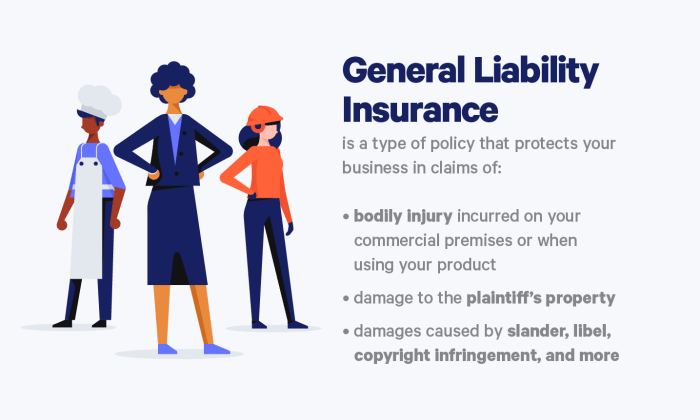
CGL insurance covers a wide range of risks that can arise in the course of a small business’s operations. These risks include:
- Bodily injury:Claims for injuries sustained by third parties due to the business’s negligence or products.
- Property damage:Claims for damage to third-party property caused by the business’s operations or products.
- Advertising injury:Claims for damages resulting from the business’s advertising, such as libel, slander, or copyright infringement.
Common Claims Covered by CGL Insurance
CGL insurance covers a variety of common claims that small businesses may face. These claims include:
- Customer injuries on business premises
- Damage to customer property during service or delivery
- Accusations of false advertising or defamation
- Legal expenses associated with defending against third-party claims
Assessing Your Business’s CGL Insurance Needs
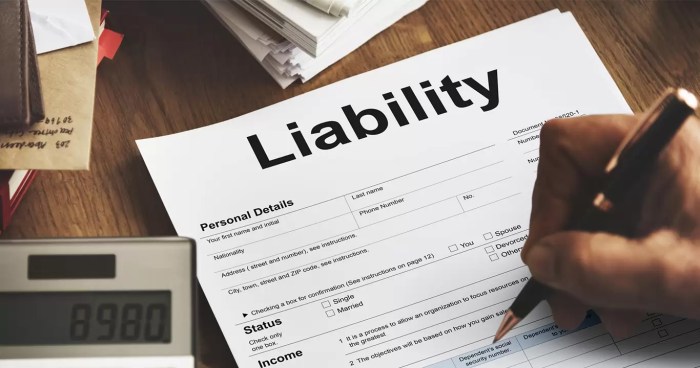
Assessing your business’s commercial general liability (CGL) insurance needs is crucial for protecting your company against potential risks and financial losses. Here’s a comprehensive guide to help you determine the appropriate coverage limits and identify potential gaps in your insurance plan.
Factors to Consider
- Size of the Business:Larger businesses with more employees and operations typically require higher coverage limits.
- Industry:Different industries pose varying levels of risk. For example, businesses involved in construction or manufacturing may need more coverage than office-based businesses.
- Location:The location of your business can influence insurance rates due to factors such as crime rates and natural disaster risks.
- Potential Risks:Identify specific risks associated with your business operations, such as customer injuries, property damage, or professional negligence.
- Existing Insurance Coverage:Review your current insurance policies to identify any overlaps or gaps in coverage.
Tips for Identifying Potential Risks and Gaps in Coverage
To ensure adequate protection, consider the following tips:
- Conduct a Risk Assessment:Thoroughly evaluate your business operations to identify potential risks and vulnerabilities.
- Review Industry Benchmarks:Compare your insurance coverage with industry standards to ensure you’re adequately protected.
- Consult with an Insurance Broker:An experienced insurance broker can provide valuable insights and help you tailor your CGL insurance plan to meet your specific needs.
Comparing and Selecting CGL Insurance Policies
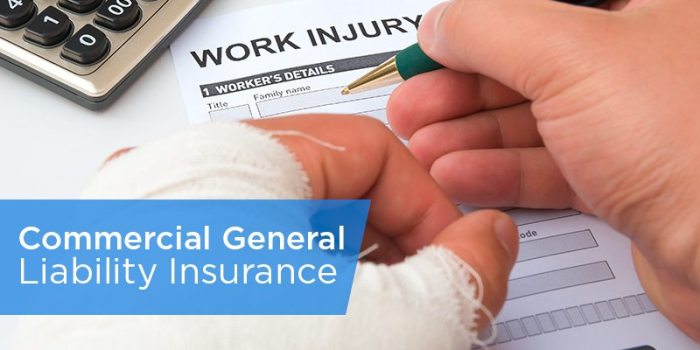
Selecting the most appropriate CGL insurance policy for your small business is crucial. It entails a thorough evaluation of various policies, considering factors such as coverage limits, deductibles, and exclusions. The following table compares different CGL insurance policies from multiple providers to assist you in making an informed decision.
Policy Comparison Table
| Provider | Coverage Limits | Deductibles | Exclusions |
|---|---|---|---|
| Provider A | $1,000,000 per occurrence/$2,000,000 aggregate | $500 | Pollution, intentional acts, and workers’ compensation |
| Provider B | $2,000,000 per occurrence/$4,000,000 aggregate | $1,000 | Cybersecurity breaches, professional negligence, and contractual liability |
| Provider C | $500,000 per occurrence/$1,000,000 aggregate | $250 | Product liability, bodily injury to employees, and property damage to owned property |
Evaluating and Selecting a Policy
To select the most suitable policy, consider the following:
- Coverage Limits:Ensure the policy provides adequate coverage for potential liabilities.
- Deductibles:Choose a deductible that balances affordability with financial protection.
- Exclusions:Carefully review exclusions to identify potential gaps in coverage.
- Reputation and Financial Stability:Select a reputable insurer with a strong financial track record.
- Customer Service:Consider the insurer’s responsiveness and support in case of a claim.
Managing CGL Insurance Costs
Managing the costs of commercial general liability (CGL) insurance is crucial for small businesses. Understanding the factors that influence premiums and implementing strategies to reduce expenses can help businesses maintain adequate coverage without breaking the bank.
Several key factors impact CGL insurance costs:
Deductibles
- Deductibles represent the amount a business pays out-of-pocket before insurance coverage kicks in.
- Higher deductibles generally result in lower premiums.
- Businesses should consider their financial capabilities and risk tolerance when selecting a deductible.
Policy Limits
- Policy limits determine the maximum amount an insurer will pay for covered claims.
- Higher policy limits increase premiums.
- Businesses should carefully assess their potential risks and choose limits that provide adequate protection.
Claims History
- A business’s claims history can significantly affect its insurance premiums.
- Businesses with a history of frequent or severe claims may face higher premiums.
- Maintaining a good claims history can help keep premiums low.
In addition to these factors, businesses can consider the following strategies to manage CGL insurance costs:
Negotiating with Insurance Providers
- Negotiating with insurance providers can help secure better rates and terms.
- Businesses should compare quotes from multiple insurers and be prepared to provide supporting documentation to justify their request for lower premiums.
- Building a strong relationship with an insurance broker can also facilitate negotiations.
Exploring Discounts, Commercial general liability insurance for small business
- Many insurance providers offer discounts for certain safety measures or risk management practices.
- Businesses should inquire about available discounts and implement measures to qualify for them.
- Common discounts include those for installing security systems, conducting safety training, and maintaining good credit.
By understanding the factors that influence CGL insurance costs and implementing strategies to manage them, small businesses can effectively protect their operations while minimizing expenses.
Filing and Managing CGL Insurance Claims
Filing and managing a CGL insurance claim can be a complex process, but it’s essential to understand the steps involved to ensure your claim is processed efficiently and fairly. This section will guide you through the process, including the documentation required, the steps for submitting a claim, and tips for managing the claims process.
Documenting Your Claim
When you file a CGL insurance claim, you will need to provide detailed documentation to support your request. This documentation may include:
- A copy of your CGL insurance policy
- A description of the incident that led to the claim
- Documentation of the damages or injuries sustained
- Contact information for any witnesses or other parties involved
- Medical records or other documentation of expenses incurred as a result of the incident
Submitting Your Claim
Once you have gathered the necessary documentation, you can submit your claim to your insurance company. You can typically do this online, by mail, or over the phone. Be sure to provide all of the required information and documentation, and keep a copy of your claim for your records.
Managing the Claims Process
Once you have submitted your claim, the insurance company will begin investigating the incident. This may involve contacting you for additional information, reviewing your documentation, and conducting an inspection of the damaged property. It’s important to cooperate with the insurance company throughout the claims process and provide them with any information they request.
If the insurance company approves your claim, they will issue a payment to cover the damages or injuries sustained. However, it’s important to note that the insurance company may also negotiate with you to settle the claim for a lower amount.
It’s important to carefully consider any settlement offers and to consult with an attorney if you have any questions about the settlement process.
Summary: Commercial General Liability Insurance For Small Business
In conclusion, commercial general liability insurance serves as a cornerstone of risk management for small businesses, safeguarding them from a multitude of potential liabilities. By understanding the coverage it provides, assessing their unique needs, and selecting a policy that aligns with their specific requirements, small business owners can mitigate risks, protect their assets, and foster a climate of growth and prosperity.
As they navigate the complexities of the business world, this invaluable insurance tool empowers them to operate with confidence, knowing that they are shielded from unforeseen events that could jeopardize their endeavors.
Q&A
What are the key types of risks covered by commercial general liability insurance?
Commercial general liability insurance typically covers three main types of risks: bodily injury, property damage, and advertising injury. Bodily injury coverage protects against claims arising from physical harm to others, while property damage coverage provides protection against claims for damage to the property of others.
Advertising injury coverage, on the other hand, safeguards against claims for libel, slander, or copyright infringement.
How can small businesses determine the appropriate coverage limits for their commercial general liability insurance?
To determine the appropriate coverage limits for commercial general liability insurance, small businesses should consider factors such as the size of their business, the industry they operate in, and their location. The potential risks associated with their operations and the value of their assets should also be taken into account.
It is advisable to consult with an insurance professional to assess individual needs and tailor the coverage accordingly.
What are some strategies for managing the costs of commercial general liability insurance?
There are several strategies that small businesses can employ to manage the costs of commercial general liability insurance. These include increasing their deductible, bundling their insurance policies, and maintaining a good claims history. Additionally, exploring discounts and negotiating with insurance providers can also help reduce premiums.