
In the realm of business, safeguarding your enterprise against potential liabilities is paramount. Small business liability insurance coverage emerges as a crucial shield, empowering you to navigate unforeseen challenges with confidence. Join us as we delve into the intricacies of this essential protection, ensuring your business thrives in the face of adversity.
Delve into the diverse types of coverage available, unraveling their significance and implications. Assess risks judiciously, guiding you towards selecting an optimal policy that aligns with your business’s unique needs. Understand the intricacies of policy provisions and endorsements, empowering you to make informed decisions that maximize protection.
Coverage Types: Small Business Liability Insurance Coverage
Small business liability insurance policies offer a range of coverage types to protect businesses from financial losses due to legal liabilities.
Understanding the scope of coverage and exclusions is crucial to ensure adequate protection for your business.
General Liability
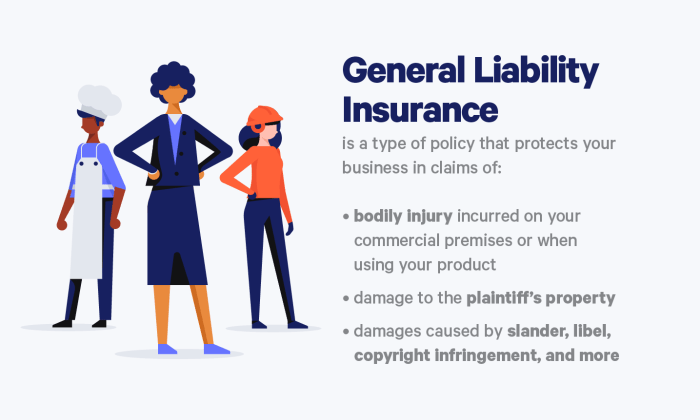
General liability insurance covers common risks faced by businesses, such as:
- Bodily injury or property damage to third parties caused by the business or its employees
- Legal defense costs in the event of lawsuits
Property Damage, Small business liability insurance coverage
Property damage liability insurance protects businesses against financial losses resulting from damage to property owned or rented by the business, including:
- Damage caused by fire, theft, or vandalism
- Loss of business income due to property damage
Professional Liability
Professional liability insurance, also known as errors and omissions insurance, protects businesses that provide professional services from claims of negligence or errors in their work.
This coverage is particularly important for businesses such as accountants, lawyers, and architects.
Risk Assessment and Policy Selection
Understanding the factors influencing the cost and coverage of liability insurance policies is crucial for small businesses. By assessing risks and selecting appropriate coverage limits, businesses can safeguard themselves against potential financial losses.
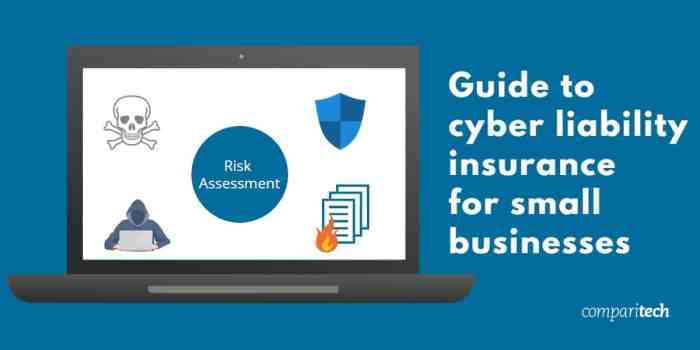
Risk assessment involves identifying and evaluating potential threats to a business, including property damage, bodily injury, or legal actions. Factors like industry type, business size, location, and past claims history influence the level of risk.
Factors Influencing Policy Cost and Coverage
- Industry Type:High-risk industries, such as construction or manufacturing, face higher premiums due to increased potential for accidents and liability.
- Business Size:Larger businesses typically have more employees and assets, leading to higher potential for claims and thus higher premiums.
- Location:Businesses in areas with high crime rates or natural disaster risks may face higher premiums.
- Claims History:Businesses with a history of claims will likely pay higher premiums as they pose a greater risk to insurers.
Policy Selection Process
Selecting an appropriate liability insurance policy involves several steps:
- Assess Risks:Identify potential risks and determine the level of coverage needed.
- Compare Quotes:Obtain quotes from multiple insurers to compare costs and coverage.
- Consider Deductibles:Choose a deductible that balances premium costs with the level of risk tolerance.
- Review Coverage Limits:Ensure coverage limits are sufficient to protect against potential losses.
- Negotiate Premiums:Negotiate with insurers to secure the most favorable premium rates.
Policy Provisions and Endorsements
Liability insurance policies for small businesses typically include various provisions and endorsements that define the coverage terms and conditions. Understanding these provisions is crucial for ensuring adequate protection and avoiding coverage gaps.
Key provisions include deductibles, exclusions, and additional insured endorsements. Deductibles represent the amount the business pays before the insurance coverage kicks in. Exclusions specify situations or events not covered by the policy. Additional insured endorsements extend coverage to parties other than the named insured.
Deductibles
- Deductibles help insurers manage risk and reduce premiums.
- Higher deductibles lower premiums, while lower deductibles increase premiums but provide more immediate coverage.
- Choosing an appropriate deductible requires balancing affordability and coverage needs.
Exclusions
- Exclusions are essential in defining policy coverage limits.
- Common exclusions include intentional acts, criminal activities, and certain types of professional liability.
- Businesses should carefully review exclusions to identify potential gaps in coverage.
Additional Insured Endorsements
- Additional insured endorsements extend coverage to parties with a financial interest in the insured’s business.
- Examples include landlords, contractors, and vendors.
- Adding additional insureds provides broader protection and reduces the risk of gaps in coverage.
Claims Handling and Dispute Resolution
Filing a claim under a small business liability insurance policy typically involves the following steps:
- Notify the insurance company:Promptly report the incident or claim to the insurance company.
- Submit a claim form:Provide detailed information about the incident, including the date, location, and description of the loss.
- Cooperate with the investigation:The insurance company will investigate the claim and may request additional information or documentation.
- Negotiate a settlement:If the claim is covered, the insurance company will negotiate a settlement with the policyholder.
- Receive payment:Once the settlement is agreed upon, the insurance company will issue payment to the policyholder.
The insurance company has a duty to act in good faith and to fairly evaluate the claim. The policyholder has a duty to cooperate with the investigation and to provide accurate information.
Common Disputes
Common disputes that may arise during the claims process include:
- Coverage disputes:Disputes over whether the claim is covered under the policy.
- Amount of damages:Disputes over the amount of damages that should be paid.
- Duty to defend:Disputes over whether the insurance company has a duty to defend the policyholder in a lawsuit.
These disputes can be resolved through negotiation, mediation, or litigation.
Legal Considerations and Compliance

Maintaining adequate liability insurance coverage is not just a prudent business decision but also a legal obligation for many small businesses. Failure to comply with these requirements can have severe consequences, including fines, lawsuits, and even business closure.
Obligations under the Law
- Many states have laws requiring businesses to carry certain types of liability insurance, such as workers’ compensation insurance and commercial general liability insurance.
- Contracts with clients or vendors may require businesses to maintain specific levels of liability coverage.
- Professional organizations or industry standards may mandate liability insurance for members or participants.
Consequences of Non-Compliance
- Fines or penalties imposed by regulatory agencies
- Lawsuits filed by injured parties or aggrieved individuals
- Loss of business reputation and credibility
- Difficulty obtaining financing or bonding
- In extreme cases, business closure or bankruptcy
Compliance Guidance
To ensure compliance with legal requirements and minimize risks, small businesses should:
- Consult with legal counsel to determine applicable laws and regulations.
- Review contracts carefully for insurance requirements.
- Join industry organizations or professional associations that provide guidance on liability insurance.
- Work with a reputable insurance agent or broker to obtain comprehensive coverage that meets legal obligations.
- Maintain documentation of insurance policies and compliance efforts.
Final Summary
As we conclude our exploration of small business liability insurance coverage, remember that securing adequate protection is not merely a legal obligation but an investment in your business’s future. Embrace this knowledge, fortify your enterprise against potential liabilities, and watch your business flourish with newfound confidence.
Detailed FAQs
What are the key types of coverage under small business liability insurance?
General liability, property damage, and professional liability are fundamental types of coverage.
How do I determine the appropriate coverage limits for my business?
Conduct a thorough risk assessment, considering factors like industry, operations, and potential exposures.
What is the role of deductibles in liability insurance?
Deductibles represent the amount you pay out-of-pocket before insurance coverage kicks in.
How can I file a claim under my small business liability insurance policy?
Contact your insurance provider promptly, providing detailed documentation of the incident.